Common Injuries REMSA Paramedics Face and Nevada Workers’ Comp Benefits
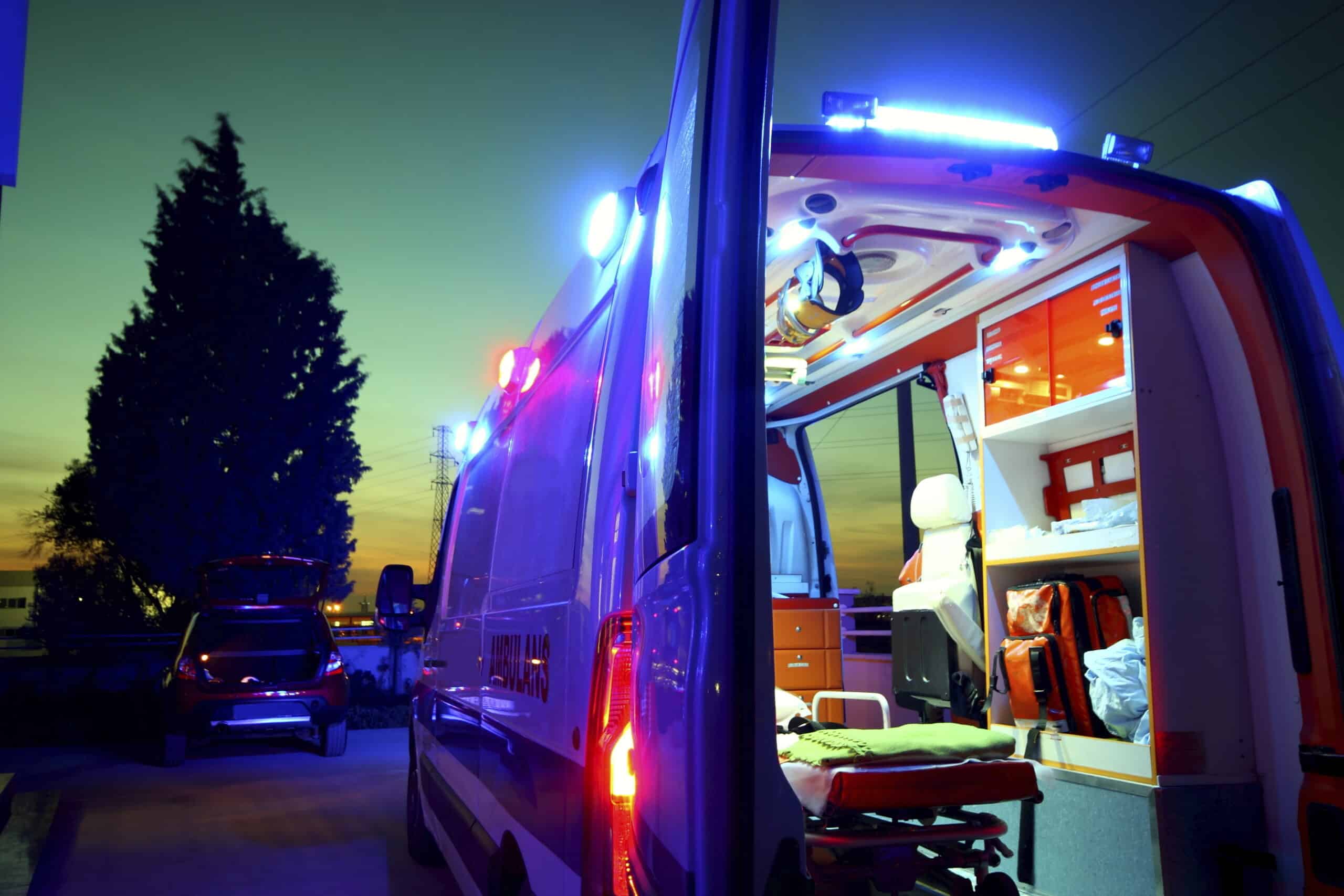
Paramedics and EMTs play a critical role in emergency response across Northern Nevada. Working in fast-paced, unpredictable environments, REMSA personnel regularly face physically demanding and high-risk situations. From lifting patients to responding to emergencies in hazardous conditions, the risk of injury is a constant part of the job.
When a work-related injury occurs, Nevada workers’ compensation benefits may provide essential support. Understanding the most common injuries EMS workers face—and how workers’ comp applies—can help protect your health and your ability to continue your career.
Why EMS Workers Face a High Risk of Injury
Unlike many other professions, paramedics and EMTs rarely work in controlled environments. Each call presents new challenges, including:
- Unstable or unsafe scenes
- Limited space when lifting or moving patients
- Time-sensitive emergency response
- Physically demanding equipment and transport tasks
These conditions increase the likelihood of both sudden injuries and long-term wear and tear.
Most Common Injuries REMSA Paramedics Experience
EMS workers are exposed to a wide range of injury risks, many of which develop over time due to repeated physical strain.
Back Injuries
One of the most common issues for paramedics is back strain from lifting and transporting patients. Repeated lifting, bending, and awkward positioning can lead to serious back injuries over time.
Shoulder and Joint Injuries
Carrying equipment, lifting stretchers, and assisting patients can place significant stress on the shoulders, knees, and other joints, leading to sprains, tears, or chronic pain.
Slip, Trip, and Fall Injuries
Responding to emergencies in unfamiliar environments—such as homes, accident scenes, or outdoor areas—can increase the risk of falls.
Repetitive Stress Injuries
Daily tasks like lifting, carrying, and moving equipment can lead to repetitive strain injuries affecting muscles, tendons, and joints.
Injuries During Patient Transport
Loading and unloading patients into ambulances is a high-risk activity that can lead to sudden injuries, especially in tight or uneven spaces.
Ambulance-Related Injuries
Paramedics may also be injured in vehicle accidents while responding to or transporting patients, adding another layer of risk to the job.
How Nevada Workers’ Compensation Applies to EMS Workers
Nevada workers’ compensation generally covers injuries that occur in the course and scope of employment. For REMSA paramedics and EMTs, this includes injuries sustained while:
- Responding to emergency calls
- Lifting or transporting patients
- Operating or riding in an ambulance
- Performing job-related duties at emergency scenes
Workers’ compensation is a no-fault system, meaning you do not need to prove that your employer was negligent. As long as the injury is work-related, you may qualify for benefits.
Workers’ Comp Benefits Available to Injured Paramedics
After a work-related injury, EMS workers may be eligible for several types of benefits under Nevada law.
Medical Treatment
Coverage may include doctor visits, hospital care, physical therapy, and any necessary treatment related to your injury.
Temporary Total Disability (TTD) Benefits
If your injury prevents you from working while you recover, you may receive partial wage replacement.
Permanent Partial Disability (PPD) Benefits
If your injury results in lasting limitations or impairment, you may qualify for additional compensation.
Vocational Rehabilitation
If you are unable to return to full EMS duties, vocational rehabilitation may help you transition into a different role.
What to Do After a Job Injury as a REMSA Paramedic
Taking the right steps after an injury can make a significant difference in your workers’ compensation claim.
Report the Injury Immediately
Notify your supervisor or employer as soon as possible to ensure the incident is properly documented.
Seek Medical Attention
Even minor injuries can worsen over time. Prompt medical care helps protect both your health and your claim.
Document the Incident
Keep records of how the injury occurred, the tasks you were performing, and any symptoms that develop.
Follow All Treatment Recommendations
Consistent medical care is essential for recovery and for supporting your claim.
Challenges EMS Workers May Face in Workers’ Comp Claims
Workers’ compensation claims for EMS personnel can sometimes involve complications.
Common challenges include:
- Injuries being classified as “wear and tear” rather than work-related
- Disputes over the severity of the injury
- Pressure to return to work before fully recovering
- Delays in treatment approval
Because many EMS injuries develop over time, proper documentation and medical support are especially important.
Long-Term Impact of EMS Job Injuries
Some injuries may heal relatively quickly, but others can have lasting effects on a paramedic’s ability to perform essential job duties.
Long-term impacts may include:
- Chronic back or joint pain
- Reduced mobility or strength
- Permanent work restrictions
- Inability to continue working in emergency response
For EMS workers, even a moderate injury can significantly affect career longevity.
Protecting Your Workers’ Compensation Rights as a Paramedic
A job injury can disrupt your career, your health, and your financial stability. Nevada workers’ compensation benefits are designed to help, but navigating the process can be challenging—especially when dealing with physically demanding injuries common in EMS work.
If you were injured while working as a REMSA paramedic or EMT, workers’ compensation is your right. Attorney Jay Short specializes in helping first responders in Reno, Sparks, Carson City, and beyond secure essential benefits, including medical care, wage replacement, and long-term support.Contact the Nevada Workers’ Compensation Center through our online contact form or call 775-786-2006 today to discuss your case with a trusted Reno workers’ compensation attorney. Act now to protect your rights and focus on your recovery and continued service.

GET YOUR FREE CASE EVALUATION NOW!
* Please note that our practice is limited to Work Injuries. We do not accept cases for Wrongful Termination, Employment Discrimination or Wage & Hour disputes.