Steel Beam and Structural Work Injuries in Stadium Construction: Nevada Workers’ Comp Benefits
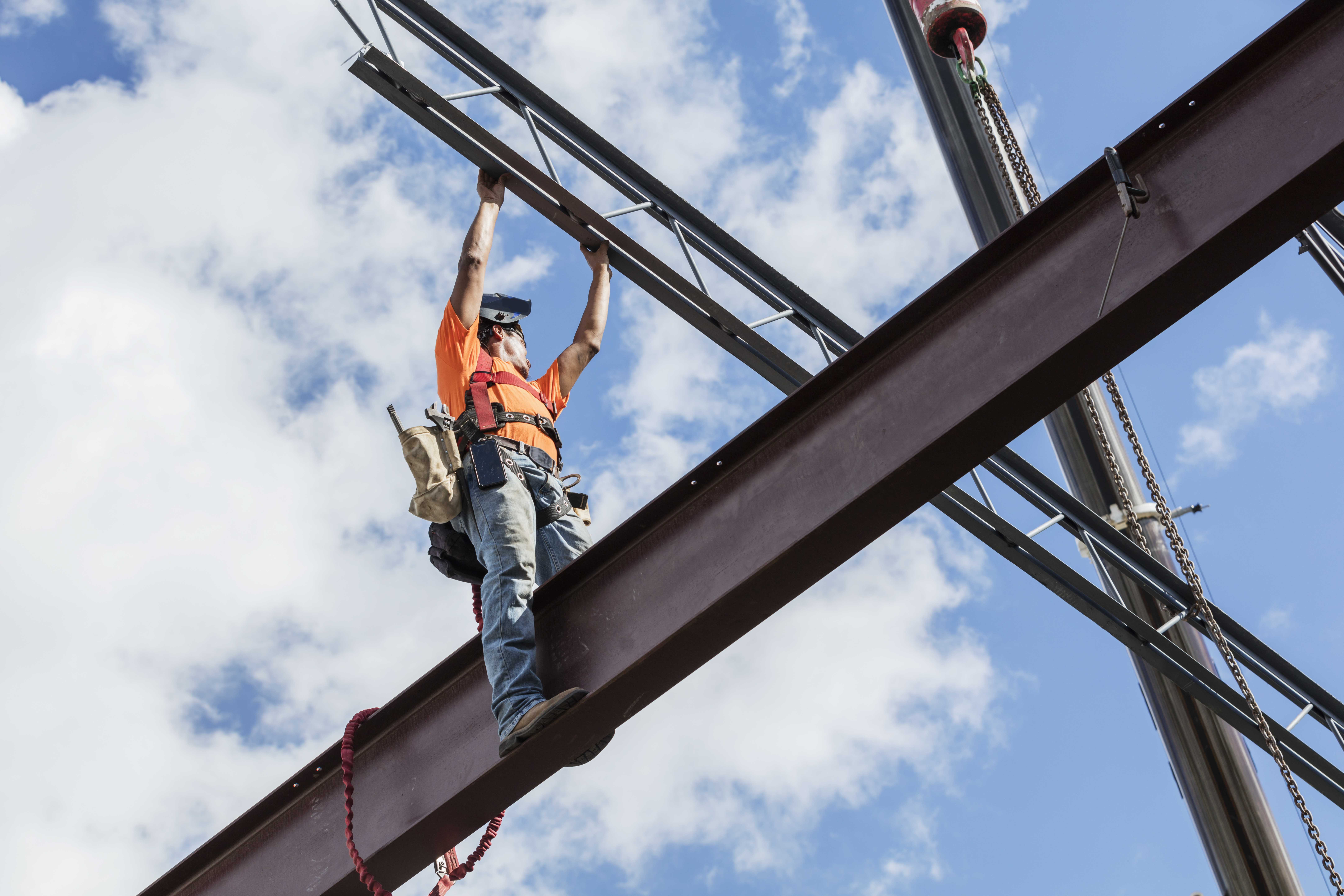
Stadium construction projects are among the largest and most complex commercial builds in Nevada. These projects rely heavily on structural steel work, including the installation of beams, columns, and framing that form the backbone of the structure.
While this work is essential, it also comes with significant risks. Ironworkers, welders, and other construction professionals involved in structural work often operate at heights, around heavy materials, and near powerful equipment.If you are injured while performing structural steel work on a stadium construction project, Nevada workers’ compensation benefits may help cover your medical care and lost wages. Understanding how these claims work can help protect your recovery and your future.
Why Structural Steel Work Is High Risk
Structural steel work involves handling large, heavy materials in dynamic job site conditions. Workers often perform tasks:
- At significant heights
- Around cranes and rigging systems
- On partially completed structures
- In changing weather conditions
These factors create an environment where even a small mistake or unexpected issue can lead to serious injury.
Common Causes of Steel Beam and Structural Work Injuries
Injuries during stadium construction can occur in several ways, especially during steel installation and framing.
Some of the most common causes include:
- Falls from beams, scaffolding, or elevated platforms
- Being struck by swinging or falling steel beams
- Crane or rigging failures during lifting operations
- Caught-in or caught-between incidents
- Equipment malfunctions or misuse
- Structural instability during installation
- Slip and fall accidents on elevated surfaces
Because structural components are extremely heavy, accidents often result in severe injuries.
Common Injuries in Structural Steel Work
Workers involved in steel beam installation and structural construction are at risk for serious, life-altering injuries.
These may include:
- Crush injuries
- Broken bones and fractures
- Traumatic brain injuries (TBI)
- Spinal cord injuries
- Internal injuries
- Severe lacerations or amputations
Many of these injuries require extensive medical treatment and may prevent a worker from returning to construction work.
How Nevada Workers’ Compensation Applies
Nevada workers’ compensation covers injuries that occur in the course and scope of employment. For construction workers, this includes injuries sustained while performing structural work on stadium or large commercial projects.
Workers’ compensation is a no-fault system. This means you generally do not need to prove negligence to receive benefits. As long as the injury is work-related, you may qualify for coverage.
This applies to:
- Ironworkers and steelworkers
- Welders and fabricators
- Construction laborers
- Contractors working on-site
Workers’ Comp Benefits After a Structural Work Injury
Structural work injuries can have a significant impact on your ability to work. Workers’ compensation benefits are designed to provide support during recovery.
Medical Treatment
Coverage may include emergency care, surgeries, hospital stays, rehabilitation, and ongoing treatment.
Temporary Total Disability (TTD) Benefits
If you are unable to work while recovering, you may receive partial wage replacement.
Permanent Partial Disability (PPD) Benefits
If your injury results in lasting impairment, you may be eligible for additional compensation.
Vocational Rehabilitation
If you cannot return to structural steel work, vocational rehabilitation may help you transition to a new role.
What to Do After a Structural Steel Work Injury
Taking the right steps after a workplace injury can make a major difference in your claim.
Report the Injury Immediately
Notify your supervisor or employer as soon as possible to ensure proper documentation.
Seek Medical Attention
Even if the injury seems manageable, prompt medical care is essential—especially with high-impact construction injuries.
Document the Incident
Record details about the task being performed, equipment involved, and job site conditions.
Follow All Medical Instructions
Consistent treatment helps support your recovery and strengthens your workers’ compensation claim.
Challenges in Stadium Construction Injury Claims
Workers’ compensation claims involving large construction projects can sometimes involve complications.
Common challenges include:
- Disputes over how the injury occurred
- Delays in approving medical treatment
- Pressure to return to work before full recovery
- Disagreements over permanent disability ratings
Because stadium construction involves multiple contractors and complex operations, claims may be more closely reviewed.
Long-Term Impact of Structural Work Injuries
Structural steel injuries can have lasting effects on a worker’s ability to perform physically demanding tasks.
Long-term impacts may include:
- Chronic pain or reduced mobility
- Permanent work restrictions
- Inability to return to construction work
- Ongoing medical treatment needs
For workers whose careers depend on physical strength and mobility, these injuries can be life-changing.
Protecting Your Workers’ Compensation Rights After a Construction Injury
An injury on a stadium construction project can affect your health, your income, and your long-term career. Nevada workers’ compensation benefits are designed to help, but navigating the process can be challenging—especially after a serious structural work injury.
If you were injured while performing steel beam or structural work, understanding your rights early can help you avoid delays and protect your claim. Attorney Jay Short is dedicated to helping you recover benefits for work-related injuries and illnesses. Specializing in workers’ compensation, we fight to ensure you receive the compensation you deserve. Call us anytime, day or night, at (775) 786-2006 for a free consultation, or reach out to us online for assistance.

GET YOUR FREE CASE EVALUATION NOW!
* Please note that our practice is limited to Work Injuries. We do not accept cases for Wrongful Termination, Employment Discrimination or Wage & Hour disputes.