Workers’ Compensation for Forklift Injuries in Nevada Warehouses
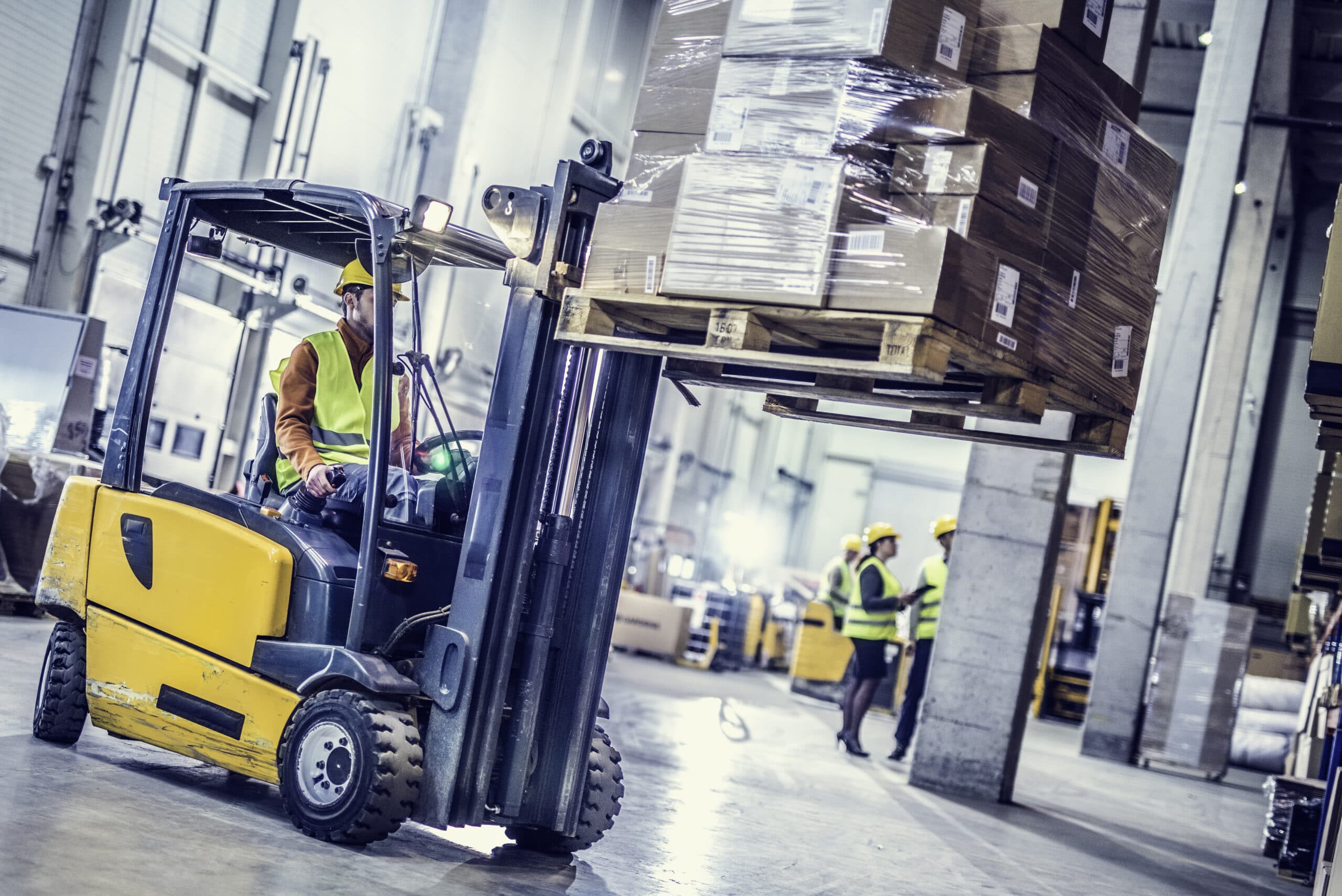
Forklifts are essential to many Nevada warehouses, distribution centers, and fulfillment facilities. They allow workers to move pallets, load and unload trucks, and transport heavy materials that would otherwise be difficult or impossible to handle manually. But forklifts also create serious workplace hazards. Warehouse employees can be injured while operating a forklift, working around one, loading materials, or walking through areas where powered industrial trucks are in use. According to the Occupational Safety and Health Administration (OSHA), forklift hazards can involve both operators and pedestrians working nearby.
When a warehouse worker is injured in a forklift accident, Nevada workers’ compensation may provide medical treatment, wage replacement, and other benefits. Understanding how these benefits work can help injured employees protect their rights while recovering.
Common Forklift Accidents in Nevada Warehouses
Forklift accidents can happen in several ways, particularly in busy warehouse environments where employees, machinery, inventory, and delivery vehicles are constantly moving.
Workers Struck by Forklifts
Warehouse employees do not necessarily have to be operating the forklift to suffer a serious injury. A pedestrian may be struck while walking through an aisle, working near a loading area, or retrieving inventory.
These accidents can result in broken bones, crush injuries, head trauma, and other serious conditions.
Forklift Rollovers
A forklift can tip or overturn when operated improperly or on unsuitable surfaces. OSHA identifies forklift overturns as a major cause of fatal forklift incidents.
An operator involved in a rollover may suffer severe injuries, particularly if the accident results in the operator being crushed or thrown from the equipment.
Falling Loads
Warehouse employees may also be injured when materials shift or fall from elevated forks. Pallets, boxes, and other heavy objects can cause significant injuries if they strike a worker.
Loading Dock Accidents
Forklifts are frequently used to load and unload trailers. Uneven surfaces, dock edges, trailer movement, and improperly secured equipment can all contribute to accidents in these areas.
Falls While Entering or Exiting Forklifts
Getting into and out of a forklift may seem routine, but slippery steps, poor footing, or awkward movements can lead to falls. A worker can suffer a back, knee, ankle, or shoulder injury without the forklift itself being involved in a collision.
Common Injuries Caused by Forklift Accidents
Because forklifts and their loads can weigh thousands of pounds, accidents can produce severe injuries.
Warehouse workers may suffer:
- Broken bones and fractures
- Crush injuries
- Back and spinal injuries
- Traumatic brain injuries
- Shoulder and knee injuries
- Internal injuries
- Amputations
- Severe bruising and soft-tissue injuries
- Cuts and lacerations
Some workers may also experience injuries that develop over time from operating forklifts for extended periods. OSHA notes that warehouse forklift operations can involve whole-body vibration, dock shock, and musculoskeletal risks, including back and neck problems.
How Nevada Workers’ Compensation Covers Forklift Injuries
When a warehouse employee is injured while performing job duties, Nevada workers’ compensation may provide benefits regardless of whether the worker was operating the forklift or was injured by someone else using the equipment.
Workers’ compensation may apply when an employee is injured while:
- Operating a forklift
- Loading or unloading materials
- Working in a forklift operating area
- Picking or moving inventory
- Performing warehouse maintenance
- Entering or exiting equipment
- Performing other assigned warehouse duties
Nevada’s Workers’ Compensation Section provides injured workers with information about claim filing, medical benefits, vocational rehabilitation, and other workers’ compensation rights.
Because workers’ compensation is generally a no-fault system, an employee typically does not have to prove that their employer or another worker caused the accident to receive benefits. The important issue is whether the injury arose out of and occurred during the course of employment.
Workers’ Compensation Benefits After a Forklift Accident
A serious forklift injury can prevent a warehouse worker from returning to work for weeks, months, or longer. Nevada workers’ compensation may provide several types of benefits during this time.
Medical Benefits
Workers’ compensation may cover reasonable and necessary medical treatment related to a workplace injury. Depending on the circumstances, this may include emergency care, diagnostic testing, physician appointments, surgery, physical therapy, medications, and other treatment.
Temporary Disability Benefits
If a forklift injury prevents you from working while you recover, you may qualify for temporary disability benefits to replace a portion of your lost wages.
This can be particularly important for warehouse workers whose jobs require standing, walking, lifting, climbing, or operating machinery.
Permanent Partial Disability Benefits
Some forklift accidents cause permanent impairment. If an injury leaves lasting limitations, an injured worker may qualify for permanent partial disability benefits depending on the circumstances and applicable evaluation.
Vocational Rehabilitation
A serious injury may make it impossible for a warehouse worker to return to the same position. If you cannot safely perform your previous job, vocational rehabilitation may provide assistance with preparing for suitable alternative employment.
What Should You Do After a Forklift Injury?
After a forklift accident, your first priority should be getting appropriate medical attention. Some injuries may be more serious than they initially appear, particularly after a crush accident or other high-impact event. You should also report the injury to your employer as soon as possible and provide an accurate account of what happened. If you were injured by a forklift operated by another employee, make sure that information is included in the incident report.
Keep copies of medical records, work restrictions, accident documentation, and other information related to the injury. If your condition prevents you from performing your normal warehouse duties, follow your healthcare provider’s restrictions and communicate them to your employer. Taking these steps can help create a clear record of the injury and its impact on your ability to work.
What If a Forklift Accident Was Someone Else’s Fault?
Warehouse workers sometimes worry that they cannot receive workers’ compensation because another employee was responsible for the accident. Generally, an injured employee does not have to prove another person was at fault to pursue workers’ compensation benefits. Whether the forklift was operated improperly, a safety procedure was ignored, or an equipment problem contributed to the accident, the workers’ compensation claim focuses primarily on the employee’s work-related injury. In some situations, however, another party outside the employer may potentially have legal responsibility for an accident. These cases can be more complicated and may require examining the circumstances surrounding the equipment, worksite, and accident.
Protecting Your Rights After a Forklift Injury
Forklift accidents can turn a normal workday into a serious medical and financial setback. Warehouse workers may face extensive treatment, time away from work, and uncertainty about whether they will be able to return to their previous position. Nevada workers’ compensation is intended to provide injured employees with medical care and financial benefits after a work-related injury. However, serious forklift accidents can raise questions about the extent of an injury, ongoing treatment, work restrictions, and the benefits an employee may be entitled to receive.
If you were injured while operating a forklift or working around forklifts in a Nevada warehouse, getting knowledgeable guidance can help you understand your options and protect your claim while you focus on recovery. Attorney Jay Short focus solely on Nevada workers’ compensation law to protect your rights and get you the compensation you deserve.Schedule your free consultation today by calling (775) 786-2006 or contacting us online. Your future is important, and we’re ready to stand by your side.

GET YOUR FREE CASE EVALUATION NOW!
* Please note that our practice is limited to Work Injuries. We do not accept cases for Wrongful Termination, Employment Discrimination or Wage & Hour disputes.