Back Injuries From Carrying Gear and Equipment: Firefighter Workers’ Comp Claims
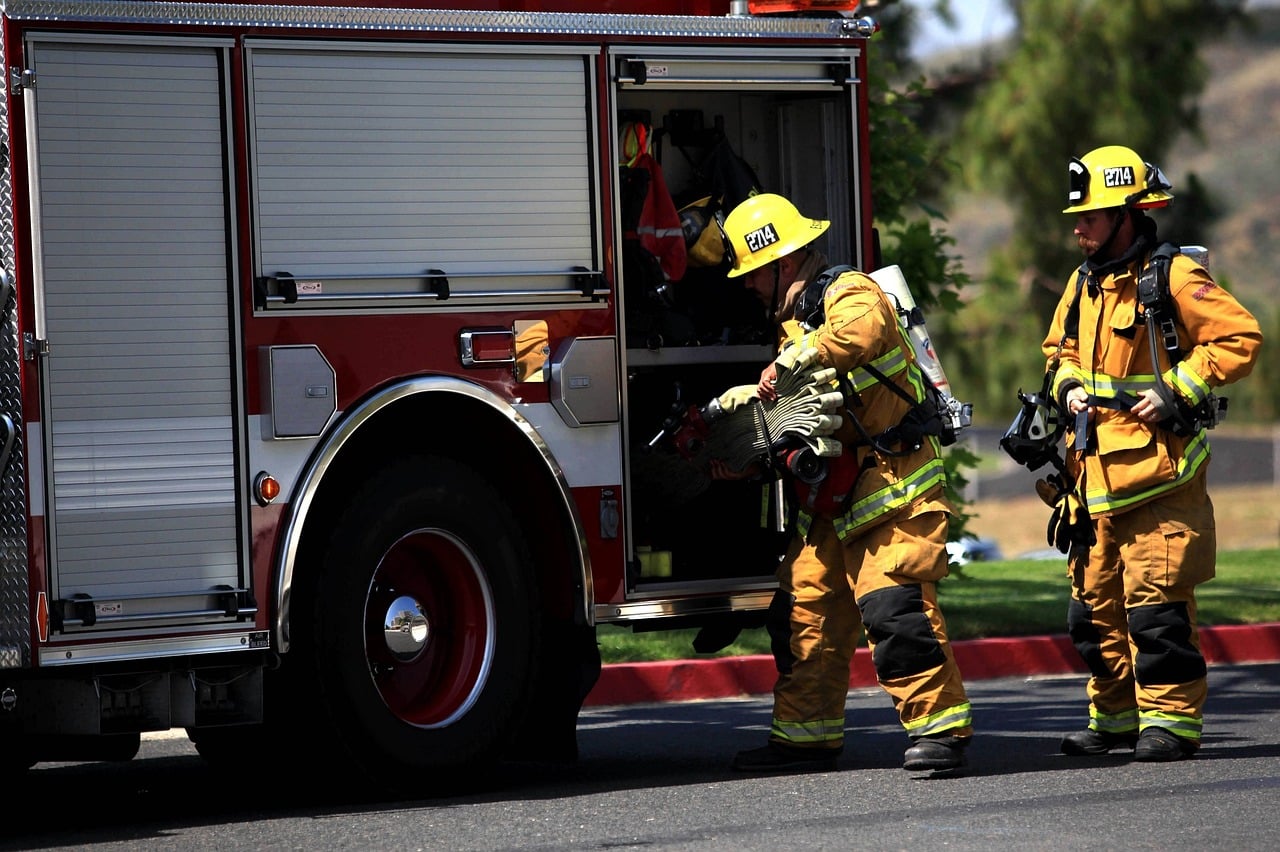
Firefighters face some of the most physically demanding job conditions of any profession. From carrying heavy protective gear to transporting hoses, ladders, and rescue equipment, the strain placed on the body can be significant. Over time, this physical stress often leads to serious back injuries that can affect a firefighter’s ability to continue working.
For Reno firefighters and other emergency personnel across Nevada, workers’ compensation benefits may help cover medical treatment and lost wages after a work-related back injury. Understanding how these claims work is important for protecting both your recovery and your career.
Why Firefighters Frequently Experience Back Injuries
Firefighters are required to perform intense physical tasks in unpredictable environments. Daily responsibilities may include:
- Carrying heavy turnout gear and oxygen tanks
- Lifting hoses, ladders, and rescue tools
- Assisting injured individuals during emergency calls
- Working in awkward positions during rescues
- Repeated bending, lifting, and twisting movements
These demands place constant stress on the spine, muscles, and joints, increasing the risk of both sudden injuries and long-term wear and tear.
Common Causes of Firefighter Back Injuries
Back injuries can happen during a single traumatic incident or develop gradually over years of physically demanding work.
Some of the most common causes include:
Lifting Heavy Equipment
Firefighters routinely carry equipment weighing well over 50 pounds, often while moving quickly or climbing stairs.
Patient Rescue and Transport
Assisting injured individuals during emergency response can place significant strain on the lower back and shoulders.
Falls and Slip Hazards
Wet surfaces, unstable structures, and debris at emergency scenes increase the risk of falls that can injure the back or spine.
Repetitive Physical Strain
Repeated lifting, carrying, and physical exertion over time may lead to chronic back pain, disc injuries, or degenerative conditions.
Vehicle and Apparatus Accidents
Collisions involving fire trucks or emergency response vehicles can result in serious spinal injuries.
Common Types of Back Injuries in Firefighters
Back injuries vary in severity, but many can have lasting effects on mobility and strength.
Common injuries include:
- Herniated or bulging discs
- Lumbar strains and sprains
- Sciatica and nerve compression
- Spinal fractures
- Chronic lower back pain
- Muscle tears and inflammation
Because firefighters rely heavily on physical strength and movement, even moderate injuries can interfere with essential job duties.
How Nevada Workers’ Compensation Applies to Firefighter Back Injuries
Nevada workers’ compensation covers injuries that occur in the course and scope of employment. For firefighters, this includes injuries sustained while responding to calls, carrying equipment, participating in training exercises, or performing other job-related tasks.
Workers’ compensation is a no-fault system, meaning injured firefighters generally do not need to prove employer negligence to qualify for benefits.
Covered situations may include:
- Back injuries from lifting gear or equipment
- Injuries during emergency rescues
- Training-related back injuries
- Injuries from falls or vehicle accidents while on duty
Workers’ Comp Benefits Available After a Back Injury
A serious back injury can require extensive treatment and time away from work. Nevada workers’ compensation benefits may provide support during recovery.
Medical Treatment
Coverage may include doctor visits, imaging, physical therapy, pain management, surgery, and rehabilitation.
Temporary Total Disability (TTD) Benefits
If the injury prevents a firefighter from working, wage replacement benefits may be available during recovery.
Permanent Partial Disability (PPD) Benefits
If the injury causes lasting limitations or impairment, additional compensation may be awarded.
Vocational Rehabilitation
If returning to active firefighting duties is no longer possible, vocational rehabilitation may help with career transition options.
What to Do After a Firefighter Back Injury
The steps taken after an injury can have a major impact on a workers’ compensation claim.
Report the Injury Immediately
Notify a supervisor or department representative as soon as possible to ensure the injury is properly documented.
Seek Medical Evaluation
Even if symptoms seem manageable at first, back injuries can worsen over time. Early treatment is important.
Document Symptoms and Restrictions
Keep records of pain levels, mobility limitations, and any work restrictions provided by medical professionals.
Follow Treatment Recommendations
Consistent medical care supports both recovery and your workers’ compensation claim.
Challenges in Firefighter Back Injury Claims
Back injury claims can sometimes become complicated because symptoms may develop gradually or worsen over time. Common challenges include:
- Claims that the injury is due to aging or pre-existing conditions
- Disputes over the severity of the injury
- Delays in approving treatment or imaging
- Pressure to return to work before full recovery
Because back injuries are common in physically demanding professions, strong medical documentation is especially important.
Long-Term Impact of Firefighter Back Injuries
Some firefighters recover fully, while others experience long-term complications that affect their careers and daily lives. Potential long-term effects include:
- Chronic pain and reduced mobility
- Difficulty lifting or carrying equipment
- Permanent work restrictions
- Inability to return to active duty
For firefighters, these limitations can significantly impact career longevity and future earning ability.
Protecting Your Workers’ Compensation Rights After a Back Injury
Back injuries can make even routine firefighting duties difficult or impossible. Nevada workers’ compensation benefits are designed to help injured firefighters recover medically and financially, but the claims process can become challenging—especially when injuries involve long-term pain or physical limitations.
Understanding your rights early can help ensure you receive appropriate medical care and avoid unnecessary delays in benefits. Issues involving disability ratings, return-to-work decisions, and ongoing treatment can all affect your recovery and future. Attorney Jay Short, is dedicated exclusively to Nevada workers’ compensation cases. If you were injured while working as a firefighter or emergency responder, call 775-786-2006 or contact us online for a free consultation to learn more about your options.

GET YOUR FREE CASE EVALUATION NOW!
* Please note that our practice is limited to Work Injuries. We do not accept cases for Wrongful Termination, Employment Discrimination or Wage & Hour disputes.