Back Injuries From Increased Firefighter Workloads and Equipment Demands
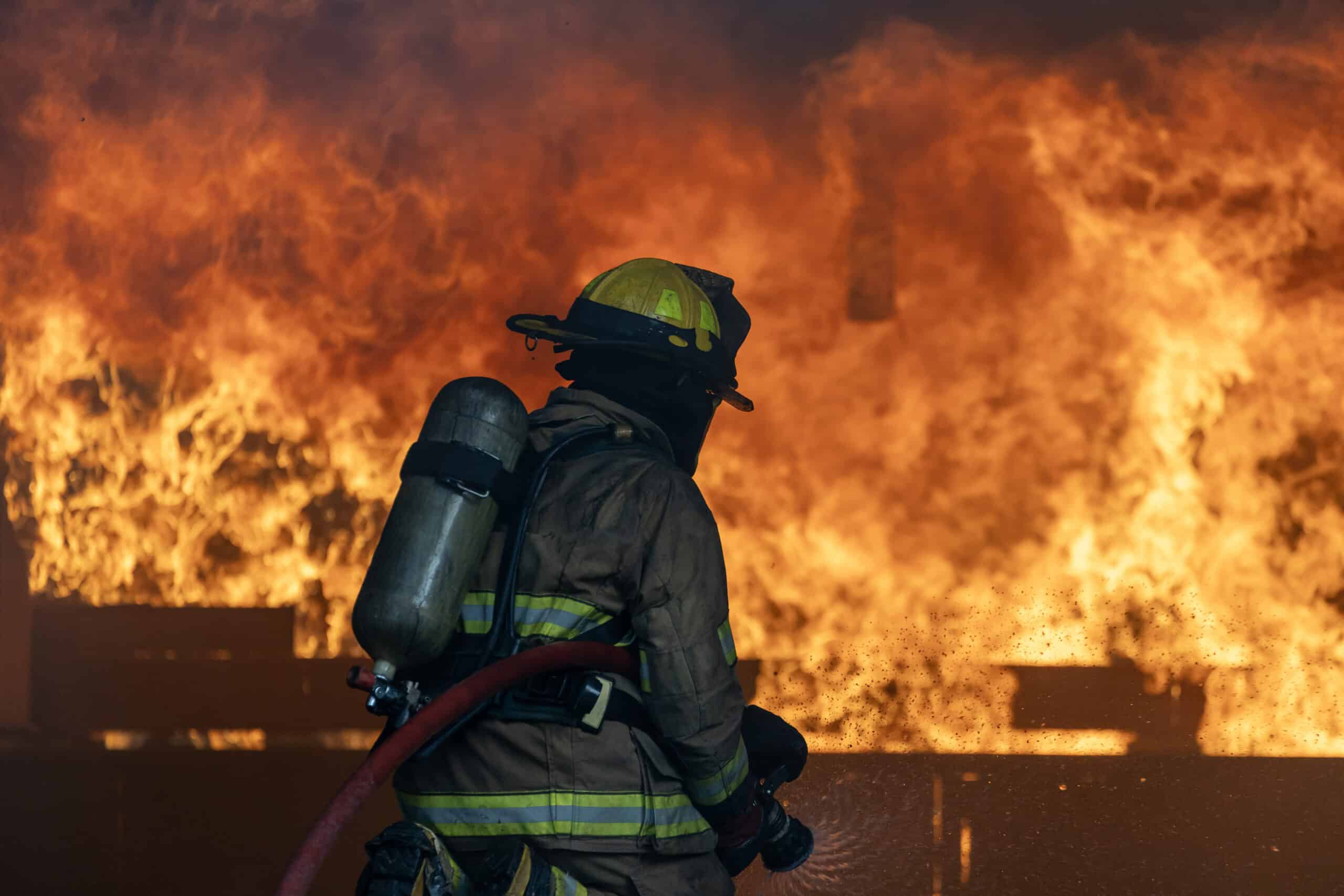
Firefighting is physically demanding work under even normal circumstances. Firefighters routinely carry heavy protective equipment, hoses, breathing apparatus, tools, and other gear while responding to emergencies. When staffing levels, response areas, or department operations change, those physical demands can become even greater.
In Nevada, firefighters who suffer a work-related back injury may be entitled to workers’ compensation benefits. This can include injuries caused by a single incident, as well as certain conditions that develop over time from repetitive lifting, carrying, and other physically demanding duties. For firefighters experiencing back pain after an increase in workload or equipment demands, understanding how Nevada workers’ compensation applies can be an important part of protecting their health and ability to work.
Why Firefighter Work Can Lead to Back Injuries
Firefighters rarely perform their duties under ideal conditions. They may need to move quickly through unstable environments while carrying equipment that adds substantial weight to their bodies.
A typical response can involve carrying or moving:
- Fire hoses and hose packs
- Self-contained breathing apparatus (SCBA)
- Protective clothing and boots
- Axes, Halligan bars, and other tools
- Ladders
- Medical and rescue equipment
- Heavy ventilation or extrication equipment
The physical demands can become more significant when firefighters are required to respond to more calls, work longer shifts, cover larger service areas, or take on additional responsibilities. Repeated lifting and carrying can place substantial stress on the lower back, shoulders, and spine.
Common Back Injuries Among Firefighters
Back injuries can range from temporary strains to serious conditions requiring surgery and long-term rehabilitation.
Firefighters may experience:
- Muscle strains and sprains
- Herniated or bulging discs
- Spinal fractures
- Pinched nerves
- Degenerative conditions aggravated by work
- Sciatica
- Chronic lower back pain
- Spinal cord injuries
A firefighter may also suffer a back injury while lifting another person, moving equipment, climbing stairs, or working in an awkward position during an emergency response. Some injuries happen suddenly. Others may develop gradually after months or years of physically demanding work.
How Increased Workloads Can Contribute to Injury
Changes within a fire department can affect the physical demands placed on individual firefighters. Staffing changes, expanded coverage areas, increased call volume, or new operational responsibilities can all change how frequently firefighters perform strenuous tasks. When crews are required to handle more calls or complete physically demanding duties more frequently, there may be less time for recovery between activities.
Fatigue can also make physically demanding tasks more difficult. A firefighter who is already exhausted may be more vulnerable to an injury while lifting equipment, carrying a hose, or helping move a patient. This does not mean every back injury following an increase in workload will automatically qualify for workers’ compensation. The circumstances of the injury and its connection to employment still matter.
Nevada Workers’ Compensation for Firefighter Back Injuries
Nevada workers’ compensation generally provides benefits for qualifying injuries that arise out of and occur during the course of employment.
For firefighters, this may include a back injury suffered while:
- Responding to an emergency
- Carrying firefighting equipment
- Moving hoses or ladders
- Performing rescue operations
- Lifting or transporting patients
- Participating in required training
- Performing station duties
- Completing other assigned responsibilities
Workers’ compensation is generally a no-fault system, meaning an injured worker typically does not have to prove that the employer or another firefighter caused the injury. However, documenting how the injury occurred and establishing its connection to work can become particularly important when back pain develops gradually rather than following one clearly identifiable accident.
Benefits Available for a Work-Related Back Injury
A firefighter dealing with a serious back injury may need treatment while also being unable to perform the physical requirements of the job. Nevada workers’ compensation may provide several types of benefits.
Medical Treatment
Workers’ compensation may cover reasonable and necessary medical care related to a compensable workplace injury. Depending on the injury, treatment could include physician visits, imaging, medication, physical therapy, injections, or surgery.
Temporary Disability Benefits
If a back injury prevents a firefighter from working while recovering, temporary disability benefits may replace a portion of lost wages.
This can be particularly important when a firefighter’s position requires strenuous physical activity and the worker cannot safely perform those duties.
Permanent Partial Disability Benefits
Some back injuries leave lasting limitations even after treatment is completed. If an injury results in permanent impairment, a firefighter may qualify for permanent partial disability benefits depending on the circumstances.
Vocational Rehabilitation
A severe back injury may prevent a firefighter from returning to the same physically demanding position. When applicable, vocational rehabilitation can provide assistance with preparing for suitable alternative employment.
What Should a Firefighter Do After a Back Injury?
Firefighters should not ignore persistent back pain simply because it developed gradually. Reporting symptoms and seeking medical attention can help identify the source of the problem before the condition becomes more serious. If you believe your back injury is related to your job, notify your employer and seek appropriate medical care. Explain to your healthcare provider what duties you perform and when your symptoms began or worsened. It is also helpful to maintain records of medical appointments, work restrictions, emergency responses, training activities, and other information that may help establish how your work contributed to the injury.
What If a Previous Back Condition Was Aggravated?
Firefighters may worry that they cannot receive workers’ compensation because they experienced back pain or another spinal problem before the current injury. A prior condition does not necessarily mean a new work-related injury is excluded from consideration. A work activity or workplace accident may aggravate or worsen an existing condition. Determining whether a current condition is related to employment can depend on medical evidence and the specific circumstances involved. This is one reason accurate medical documentation can be especially important when dealing with a back injury.
Attorney Jay Short: Protecting Your Rights After a Firefighting Injury
Firefighters put significant physical demands on their bodies every time they respond to an emergency. When increased workloads, heavier equipment, expanded responsibilities, or repeated strenuous activity contribute to a back injury, the resulting condition can affect a firefighter’s ability to perform one of the most physically demanding jobs in Nevada.Workers’ compensation benefits can provide important support by helping cover medical care and, when applicable, replacing part of an injured firefighter’s lost income. Taking symptoms seriously, reporting a work-related injury, and obtaining appropriate medical care can help protect both the firefighter’s health and their workers’ compensation rights.
Attorney Jay Short specializes in helping first responders in Reno, Sparks, Carson City, and beyond secure essential benefits, including medical care, wage replacement, and long-term support. Don’t let red tape or denied claims stand in your way. Contact the Nevada Workers’ Compensation Center through our online contact form or call 775-786-2006 today to discuss your case with a trusted Reno workers’ compensation attorney. Act now to protect your rights and focus on your recovery and continued service.

GET YOUR FREE CASE EVALUATION NOW!
* Please note that our practice is limited to Work Injuries. We do not accept cases for Wrongful Termination, Employment Discrimination or Wage & Hour disputes.