Common Injuries Reno Firefighters Face During Residential Structure Fires
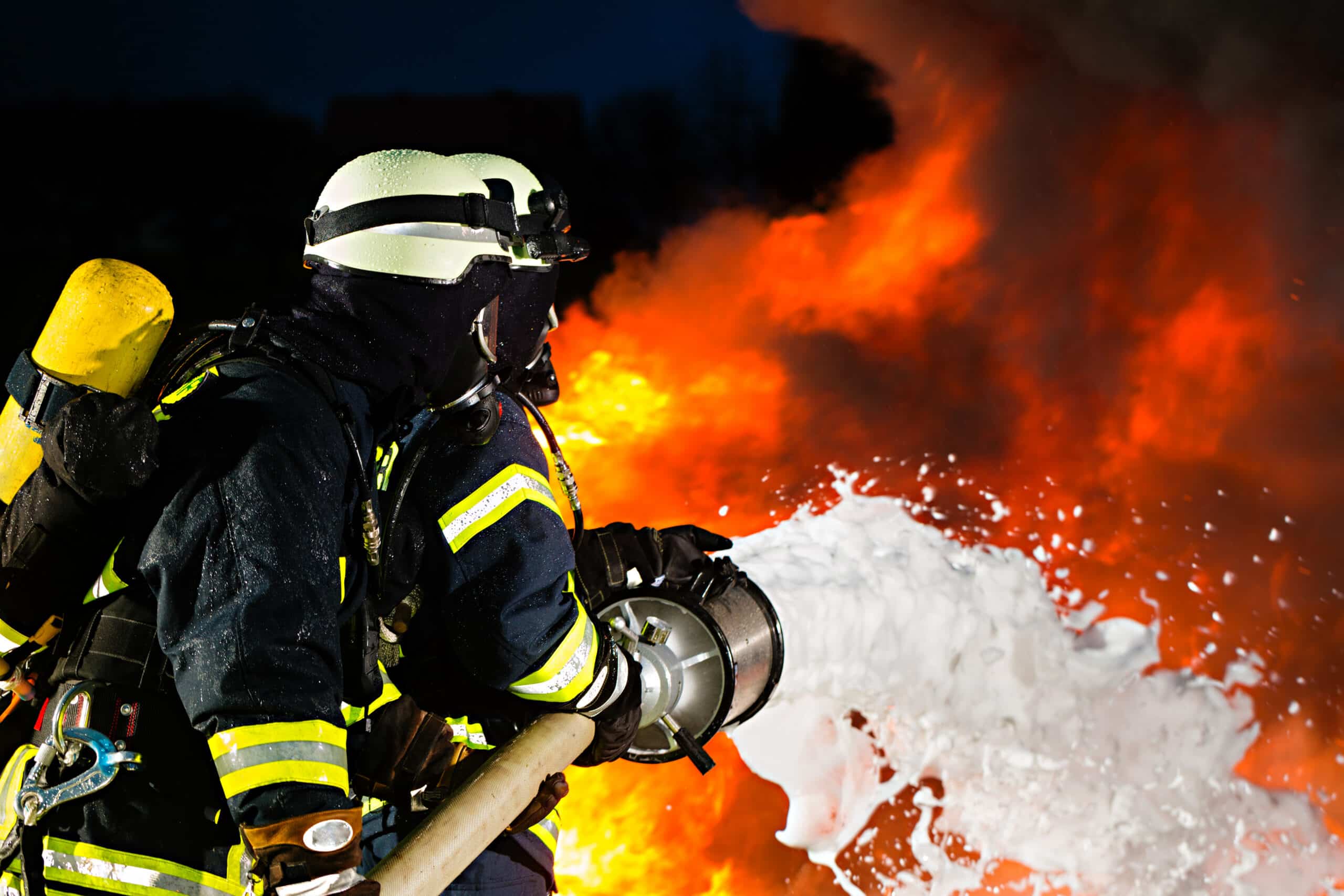
Responding to a house or apartment fire can put firefighters in dangerous conditions within minutes. They may enter smoke-filled rooms, climb stairwells, carry heavy equipment, and search for residents who cannot escape on their own. Even with protective gear and extensive training, these situations can lead to serious injuries.
For Reno firefighters, residential fires can involve unpredictable conditions. A weakened floor, falling ceiling, or sudden change in fire behavior can create additional hazards. The physical demands of emergency response can also cause injuries that affect a firefighter long after the call ends. When a firefighter suffers a work-related injury during a residential fire response, Nevada workers’ compensation may provide benefits for medical treatment and lost wages. Understanding the risks and knowing what to do after an injury can help protect those benefits.
Burns and Heat-Related Injuries
Burn injuries are among the most recognizable dangers firefighters face during residential fires. Direct contact with flames, hot surfaces, and heated materials can cause serious skin damage. Protective clothing reduces exposure, but it cannot eliminate every risk.
Firefighters may also experience heat-related injuries while working inside burning homes or apartment buildings. Heavy protective equipment and strenuous physical activity can make it difficult for the body to regulate its temperature. Extended operations may increase the risk of heat exhaustion and other heat-related conditions.
Depending on the severity, these injuries may require emergency treatment, specialized wound care, or extended recovery. A firefighter who cannot return to regular duties may also need temporary disability benefits while healing.
Smoke Inhalation and Respiratory Problems
Smoke exposure is another concern during residential fire suppression. Burning furniture, plastics, insulation, and household materials can release hazardous gases and particles. Firefighters may experience respiratory irritation or more serious breathing problems after exposure.
Some symptoms appear immediately. Others may develop or become more noticeable after the incident. Coughing, chest discomfort, shortness of breath, and persistent respiratory irritation should not be ignored.
Repeated exposure also raises longer-term health concerns. Nevada has specific occupational disease provisions for certain lung conditions affecting firefighters. These claims are separate from a typical injury caused by one incident and may involve additional eligibility requirements.
Injuries From Falling Ceilings, Walls, and Debris
Residential buildings can become unstable during a fire. Heat may weaken structural materials, while water damage and firefighting operations can create additional hazards. A ceiling may collapse, a wall may fall, or debris may strike a firefighter working inside the building.
These incidents can cause fractures, head injuries, back injuries, and crush injuries. A firefighter may also suffer serious damage when trapped beneath structural materials or pinned against equipment.
Apartment buildings can present additional challenges. Firefighters may need to move through shared hallways, stairwells, and multiple floors while responding to changing conditions. Falling debris or damaged building components can make these areas especially hazardous.
Back, Shoulder, and Knee Injuries During Rescue Operations
Firefighters regularly perform physically demanding tasks during residential emergencies. They may carry hoses, ladders, breathing equipment, and other gear into burning buildings. They may also need to lift or carry residents who cannot evacuate without assistance.
These activities place significant stress on the back, shoulders, knees, and other joints. Sudden movements, awkward lifting positions, and heavy loads can cause strains, sprains, and more serious injuries.
Some injuries happen during one difficult rescue. Others develop after repeated physical demands over time. A firefighter may initially notice soreness but later experience persistent pain or reduced mobility that interferes with regular duties.
Medical evaluation is important when symptoms continue or worsen. Even injuries that do not require emergency treatment can affect a firefighter’s ability to perform essential job responsibilities.
Falls and Injuries Inside Burning Homes
Smoke, poor visibility, water on floors, and scattered debris can make movement difficult during a residential fire. Firefighters may slip on wet surfaces, trip over damaged materials, or lose their footing while carrying equipment.
Falls can result in broken bones, head injuries, sprains, and back damage. A fall through a weakened floor or from an elevated area can cause even more serious harm.
Apartment fire responses may involve additional risks when firefighters move through stairwells or work on multiple levels. Carrying equipment or assisting residents can make these movements more difficult, particularly when visibility is limited.
Can Nevada Workers’ Compensation Cover These Injuries?
A Reno firefighter who suffers an injury while performing job duties during a residential fire may qualify for Nevada workers’ compensation benefits. The claim must meet the applicable requirements, and the available benefits depend on the injury and its effect on the firefighter’s ability to work.
Benefits may include:
- Medical treatment: Coverage for authorized medical care related to an accepted work injury, including emergency treatment, follow-up appointments, surgery, and rehabilitation when appropriate.
- Temporary disability benefits: Partial wage replacement when an eligible firefighter cannot work or must work under restrictions because of the injury.
- Permanent disability benefits: Additional compensation may be available when an injury leaves lasting impairment.
- Vocational rehabilitation: Eligible firefighters who cannot return to their previous work may qualify for services that help them prepare for other employment.
A firefighter should report the injury promptly, even when symptoms initially seem minor. Nevada generally requires notice to the employer within seven days. The C-1 form documents the injury, while the C-4 form begins the workers’ compensation claim during the initial medical treatment process.
What About Health Conditions From Repeated Fire Exposure?
Not every firefighter health condition results from one specific residential fire. Years of exposure to smoke, heat, fumes, and other hazardous substances may contribute to certain occupational diseases.
Nevada law includes special provisions for firefighters with qualifying lung diseases, heart conditions, and certain cancers. These provisions have specific requirements involving service history, medical findings, and other eligibility factors.
In 2025, Nevada enacted Senate Bill 7, which changed the conclusive presumption provisions for certain firefighter lung disease claims under NRS 617.455. The change removed the requirement that a qualifying firefighter’s lung disease be caused by exposure to heat, smoke, fumes, tear gas, or other noxious gases for the presumption to apply under specified circumstances.
Because occupational disease claims have different rules from individual injury claims, firefighters should understand which provisions may apply to their condition.
Protecting Your Rights After a Firefighting Injury
Reno firefighters face demanding conditions when responding to house and apartment fires. Burns, respiratory problems, falls, structural collapses, and lifting injuries can all affect their ability to continue working. Reporting symptoms, obtaining medical care, and keeping accurate records can help protect a workers’ compensation claim. Attorney Jay Short specializes in helping first responders in Reno, Sparks, Carson City, and beyond secure essential benefits, including medical care, wage replacement, and long-term support. Don’t let red tape or denied claims stand in your way. Contact the Nevada Workers’ Compensation Center through our online contact form or call 775-786-2006 today to discuss your case with a trusted Reno workers’ compensation attorney. Act now to protect your rights and focus on your recovery and continued service.

GET YOUR FREE CASE EVALUATION NOW!
* Please note that our practice is limited to Work Injuries. We do not accept cases for Wrongful Termination, Employment Discrimination or Wage & Hour disputes.