Loading Dock Injuries: Nevada Workers’ Compensation Benefits
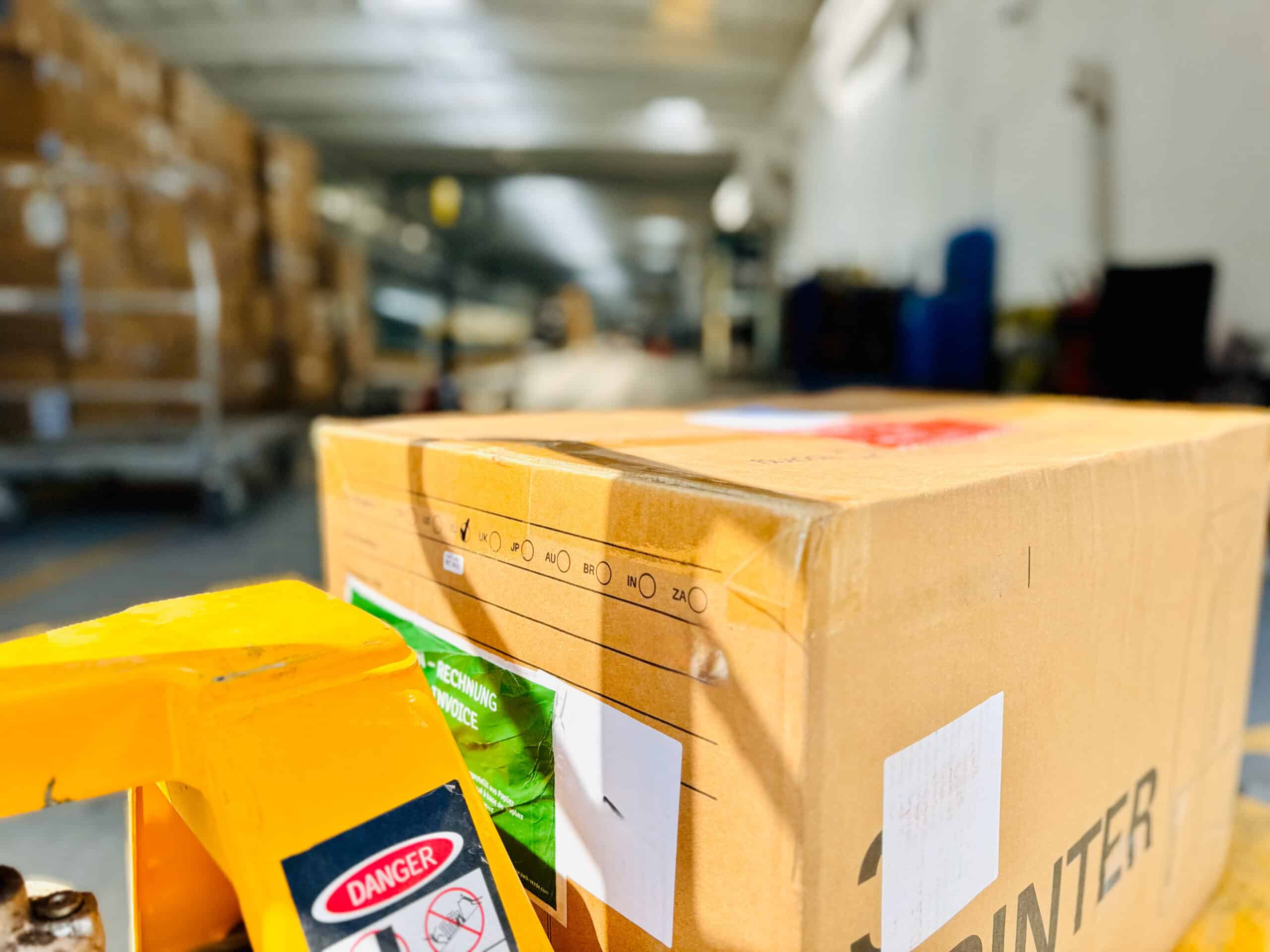
Loading docks are busy areas where warehouse workers, truck drivers, forklift operators, and other employees perform demanding work. They often work around heavy equipment, freight, trailers, and moving vehicles. These conditions can create serious injury risks.
OSHA identifies loading and unloading operations as areas where workers can face hazards involving forklifts, falling materials, trailer movement, and other equipment. Workers can also be injured when forklifts or other equipment fall from docks. Being caught between a truck and a loading dock can also cause severe injuries.
When a Nevada warehouse worker suffers an injury while performing job duties on or around a loading dock, workers’ compensation may provide benefits. These can include medical treatment, lost wages, and other qualifying needs.
Common Loading Dock Injuries
Loading dock accidents can happen in many ways. A worker may fall from an elevated dock, get struck by a moving vehicle, or suffer an injury while moving freight.
Common injuries can include:
- Back and neck injuries
- Shoulder injuries
- Knee and other joint injuries
- Broken bones and fractures
- Sprains and strains
- Crush injuries
- Head and traumatic brain injuries
- Cuts and lacerations
- Foot and hand injuries
- Muscle and other soft-tissue injuries
Some injuries happen during one identifiable accident. Others may develop after repeated lifting, pushing, pulling, or other physically demanding work.
Falls From Loading Docks
Falls are a significant hazard associated with loading dock work. A worker can fall from the edge of a dock, slip while moving freight, or lose their footing while entering or exiting a trailer. A fall from even a short height can cause a serious injury. The severity may depend on how the worker lands and which part of the body is affected.
OSHA’s warehouse safety materials identify dock edges, dock plates, and forklift operations as areas where injuries can occur. OSHA recommends measures such as securing dock plates and keeping workers away from unprotected dock edges. Workers should also avoid jumping from docks.
Injuries Between Trucks and Loading Docks
Another serious loading dock hazard occurs when a worker becomes caught or pinned between a truck and the dock.
This can happen when a vehicle moves unexpectedly. It can also occur when a worker enters a hazardous area or communication breaks down between workers and drivers. OSHA has documented incidents involving workers who were crushed between backing vehicles and loading docks.
These accidents can cause severe crush injuries, fractures, internal injuries, and other serious conditions.
A worker who suffers this type of injury while performing job duties may be entitled to workers’ compensation benefits. This can be true even when another employee or a piece of equipment was involved in the accident.
Dock Plate and Trailer Injuries
Dock plates or dockboards help bridge the gap between a loading dock and a truck or trailer. Workers may use them when moving freight between the warehouse and a vehicle. These areas can create additional hazards when equipment is not properly secured. Problems can also occur if a trailer shifts while workers are loading or unloading it.
OSHA’s powered industrial truck guidance addresses hazards associated with loading and unloading. It also includes requirements concerning the securing of trucks and trailers at loading docks. A worker could slip on a dock plate, fall through a gap, or suffer an equipment-related injury. These accidents can result in serious injuries that require medical treatment and time away from work.
Injuries From Falling or Shifting Freight
Packages, pallets, boxes, and other materials can become dangerous when they fall or shift unexpectedly. Workers loading or unloading trucks may be struck by materials. They can also suffer injuries while trying to stabilize or move an unstable load.
Warehouse work often involves lifting and other material-handling activities. OSHA identifies musculoskeletal disorders associated with overexertion as common warehouse injuries. Lifting and lowering materials can place significant stress on the body. A worker may therefore suffer an injury from a single falling object. Another worker may develop a back, shoulder, or other musculoskeletal condition after repeated physical tasks.
Does Nevada Workers’ Compensation Cover Loading Dock Injuries?
Nevada workers’ compensation generally provides benefits for qualifying injuries that arise out of and occur in the course of employment. Working on a loading dock, unloading a trailer, moving freight, or performing other assigned warehouse duties can fall within the scope of employment.
The fact that an injury occurred around a truck, forklift, dock plate, or other equipment does not automatically determine whether a claim is covered. The circumstances of the injury are important. So is the connection between the injury and the worker’s job.
Nevada’s Workers’ Compensation Section provides injured workers with information about claims, medical treatment, disability benefits, vocational rehabilitation, and the claims process.
What Workers’ Compensation Benefits May Be Available?
The benefits available after a loading dock injury depend on several factors. The severity of the injury and the circumstances surrounding the claim can both affect available benefits.
Medical Treatment
Workers’ compensation may cover reasonable and necessary medical treatment for a compensable workplace injury. Depending on the injury, treatment could include emergency care, diagnostic testing, medication, physical therapy, surgery, or follow-up appointments.
Nevada has specific procedures for medical treatment through its workers’ compensation system. These include requirements concerning authorized providers in applicable cases.
Temporary Disability Benefits
A loading dock injury may prevent a worker from performing normal warehouse duties. A doctor may determine that the worker cannot work while recovering. In other cases, an employer may not be able to accommodate the worker’s restrictions.
Temporary disability benefits may be available when the applicable requirements are met. These benefits can help replace part of a worker’s lost income during a period of disability.
Permanent Partial Disability Benefits
Some loading dock injuries result in lasting physical impairment. Once a worker’s condition becomes stable, a qualifying injury may lead to a permanent partial disability evaluation.
The amount of a potential PPD award depends on factors established under Nevada law. The impairment evaluation and other applicable circumstances can affect the outcome.
Vocational Rehabilitation
A serious injury may make it impossible for a worker to return to the same job. Physical restrictions can also prevent a worker from performing the same duties.
In qualifying cases, vocational rehabilitation services may be available. These services can apply when a permanent physical impairment or restrictions prevent a worker from returning to previous employment.
What Should You Do After a Loading Dock Injury?
If you are injured while working on a loading dock, report the injury to your employer. You should also seek appropriate medical attention. Nevada’s workers’ compensation system uses Form C-1 for a notice of injury or occupational disease. Form C-4 is used for an employee’s claim for compensation and report of initial treatment. Current Nevada DIR materials list both forms among the state’s workers’ compensation forms.
Be specific when describing what happened. Explain whether you fell from the dock, were struck by freight, or were injured between a vehicle and the dock. If symptoms developed after repeated lifting or other work activities, explain that as well. Keep copies of your claim paperwork and medical records. You should also follow your medical provider’s instructions regarding treatment and work restrictions.
What If Your Loading Dock Injury Affects Your Ability to Work?
Warehouse and loading dock jobs can require substantial physical activity. A worker with a serious back, knee, shoulder, or other injury may be unable to perform the same duties as before the accident. Those duties may include lifting, climbing, pushing, pulling, and prolonged standing. An injury can make even routine warehouse tasks difficult or impossible.
The impact on your ability to work can become an important part of the workers’ compensation process. Depending on the circumstances, an injured worker may receive temporary disability benefits during recovery. A worker may later qualify for permanent disability or vocational rehabilitation benefits. If your employer cannot accommodate medical restrictions, you may have questions about your options. The same may be true if your condition prevents you from returning to your previous job.
Protecting Your Rights After a Loading Dock Accident
A loading dock can be one of the busiest and most hazardous areas in a warehouse. If you were injured while working on or around a loading dock in Nevada, take the injury seriously. Understanding the workers’ compensation process can help you address your medical needs and potential lost wages. At Jay Short Attorney at Law, workers’ compensation is the sole focus of the practice. If you were injured in a loading dock accident, call (775) 786-2006 for a free consultation or contact us online to discuss your rights and available workers’ compensation benefits.

GET YOUR FREE CASE EVALUATION NOW!
* Please note that our practice is limited to Work Injuries. We do not accept cases for Wrongful Termination, Employment Discrimination or Wage & Hour disputes.